


Technology stocks have delivered a resilient performance in 2025, which is evident from the 21% jump in the Nasdaq Composite index this year as of this writing. I call the sector’s performance resilient because tech stocks have been under stress at certain times this year owing to various factors.
From the potential fallout of the Trump administration’s tariffs to concerns about heavy artificial intelligence (AI) spending turning into a bubble, there have been times when investors have panicked and hit the sell button. However, the strong growth that tech companies have been reporting this year has helped them overcome the negatives.
The good part is that the strong spending on AI infrastructure is set to drive the stock market higher over the next couple of years. According to JPMorgan, the S&P 500 index’s average earnings growth could be between 13% and 15% for “at least the next two years,” thanks to the “AI supercycle.” As a result, it won’t be surprising to see Nasdaq stocks jumping higher in the new year.
We are going to take a closer look at an important Nasdaq stock that can ride the broader market’s rally and deliver solid gains to investors.
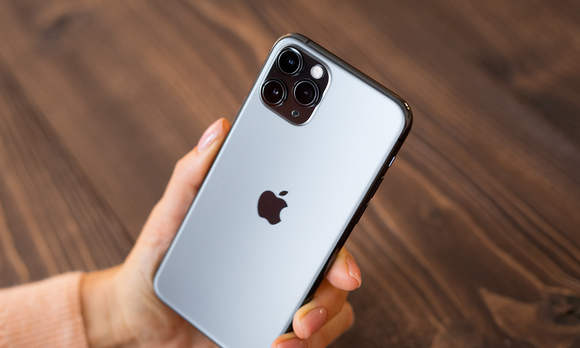
Image Source: Getty Images
This tech giant could do better than the industry it operates in
Apple (AAPL +0.17%) stock has rallied impressively in recent months, jumping 58% since hitting a 52-week low in the first week of April. The Magnificent Seven stock’s impressive rise can be attributed to the healthy demand for its latest iPhones and the improving traction of the services business.

NASDAQ: AAPL
Key Data Points
Apple ended its latest fiscal year 2025 (which ended on Sept. 27) with $416.1 billion in revenue, up by 6.4% from the prior year. Earnings increased by 23% from the prior year to $7.46 per share. Analysts are expecting its top-line growth to accelerate to almost 9% in the current fiscal year to just over $453.1 billion.
You may be surprised to see that analysts are upbeat about Apple’s prospects in a year when the high cost of smartphone memory chips is likely to weigh on the industry. Memory manufacturers are scrambling to meet the demand for high-bandwidth memory (HBM) chips deployed in data centers, which is why they are allocating more capacity to this niche.
As a result, the shortage of smartphone memory chips could lead to a 7% increase in smartphone prices next year, according to Counterpoint Research. The research firm estimates that smartphone shipments could decline by 2.1% next year. Apple, however, is expected to grow despite these headwinds. It is easy to see why that’s the case.
Apple was the second-largest player in the global smartphone market with a share of 18.2% at the end of the third quarter, which means that it has both scale and purchasing power on its side. This gives Apple the ability to negotiate favorable prices with component suppliers. Additionally, the cheapest iPhone that Apple sells is priced at $599, which is higher than the average smartphone average selling price (ASP) of $465.
So, Apple can absorb the potential price increases and continue to maintain its healthy share of the smartphone market. Throw in the fact that the company’s latest iPhone 17 models are experiencing healthier demand than last year’s lineup, thanks to a huge installed base of users on older devices, and it is easy to see why Apple is likely to outperform the broader smartphone market in 2026.
Dan Ives of Wedbush estimates that more than 315 million iPhones are at least four years old. Apple is expected to ship 234 million iPhone units this year. The number of users in an upgrade window indicates that it could witness a substantial jump in its shipments in 2026. Moreover, Apple is expected to launch a foldable smartphone next year, a move that could give it a nice shot in the arm.
The foldable smartphone market is poised to grow by 30% next year, according to IDC. Apple, therefore, will be making a smart move by diving into this space since a foldable phone can contribute toward a bigger jump in its revenue than what analysts are estimating.
Apple’s impressive rally is set to continue in 2026
Apple trades at 9.8 times sales right now. That isn’t very expensive as compared to the U.S. technology sector’s price-to-sales ratio of 8.6. Importantly, Apple can sustain the slight valuation premium next year as well, considering the potential acceleration in growth.
Let’s say Apple’s top line grows by 10% next year to $458 billion, and it trades at 10 times sales, its market cap could hit $4.6 trillion. That would be a 14% increase from its current market cap. However, Apple’s ability to outperform the market’s growth expectations thanks to the catalysts discussed above could help it easily deliver bigger gains, which is why buying this Nasdaq stock hand over fist looks like the smart thing to do right now.
