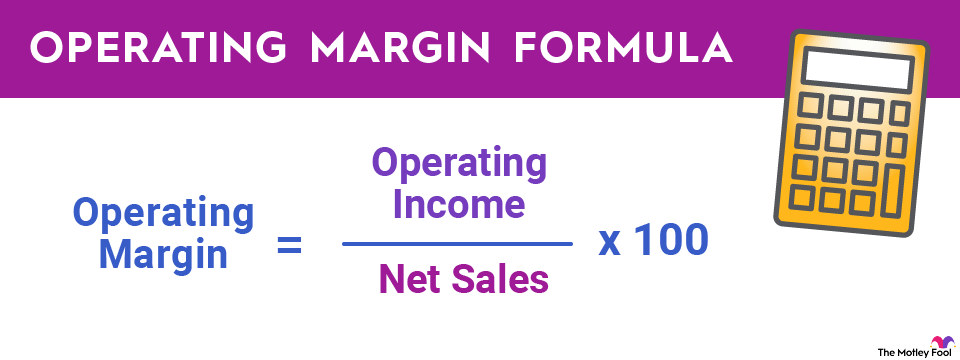
Loading paragraph...
Loading image...
Loading paragraph...
Loading pitch...
Loading paragraph...
Loading paragraph...
Loading hub_pages...
Loading paragraph...
Loading pitch...
About the Author

Frank Bass is a contributing Motley Fool stock market analyst and editor covering energy, healthcare, consumer, and financial sectors. Frank has decades of experience in financial journalism, holding reporting and editing roles at The Wall Street Journal, The Associated Press, and Bloomberg. He also currently edits research on the global energy transition. He holds a bachelor’s degree in journalism from Texas Tech University and is a graduate student at the University of Alaska Fairbanks. Fun Facts: Frank has hiked The Long Trail in Vermont from end to end, and currently lives in a semi-dry cabin in Interior Alaska.
Frank Bass has no position in any of the stocks mentioned. The Motley Fool has positions in and recommends Nike. The Motley Fool has a disclosure policy.