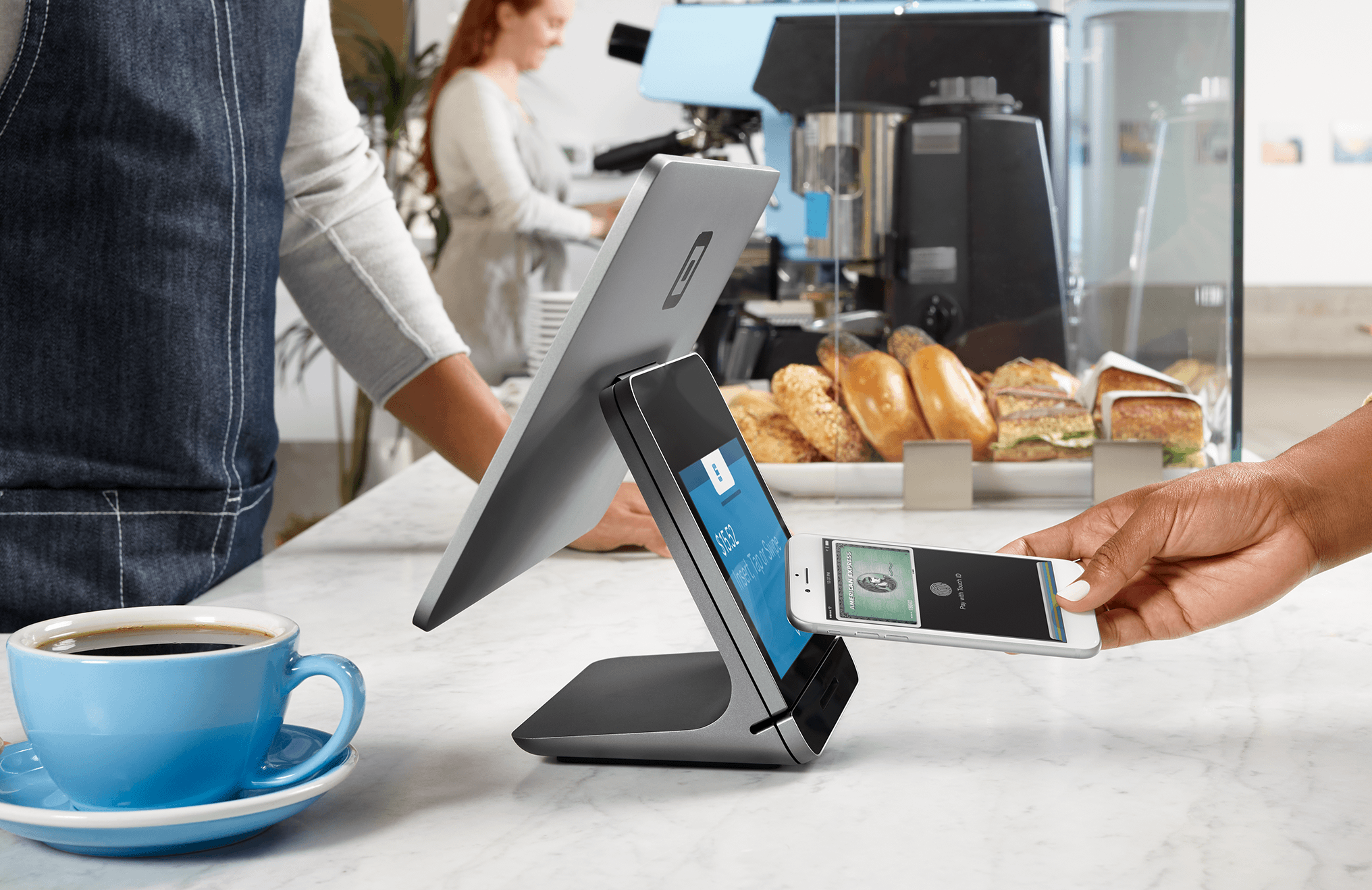
Phantom debt is traditionally considered debt that's been written off or sold to a collection agency because it's become too old to collect legally. However, another type of phantom debt might be menacing investors. We'll describe new concerns over phantom debt sparked by one of the hottest retail payment trends -- buy now, pay later (BNPL).
What is phantom debt?
Phantom debt often refers to debt that can't be collected, usually because it's too old to report to a credit bureau or even take to court for collection. In some criminal scams, phantom debt has involved attempts to collect money that's not owed with threats of legal action and arrest.
Lately, however, phantom debt has taken on a new meaning. For economists, phantom debt has become debt that they can't measure since it's not reported. So, even while we can report that credit card and auto loan delinquencies are rising, there's a substantial amount of debt out there that may be an even greater drag on the economy.
A Harris Poll survey for Bloomberg News found that 43% of users who owed money to BNPL services reported they were delinquent on payments, and 28% said they were skipping payments on other debts to cover their BNPL payments.
Budget
The poll found more startling information on BNPL users: More than half said the arrangements were encouraging them to spend more than they could afford. Roughly one-third said they were worse off financially, had trouble with budgeting, and were surprised at how much they owed for monthly BNPL payments.
More discouraging news from the poll: One-third of users have spent more than $1,000 on BNPL purchases. Almost half are using or have thought about using BNPL to pay bills or buy groceries. About 42% of households with six-figure incomes said they were behind on BNPL payments.
Affirm, however, has argued that BNPL represents roughly 1% of credit card volume and less than 0.3% of $1.1 trillion in outstanding 2023 credit card balances. "We don't charge late or hidden fees, underwrite every single transaction, and only extend access to credit that we believe can and will be repaid," said Affirm Chief Financial Officer Michael Linford. "If a consumer can't pay us back, we don't benefit from their misfortunes … BNPL has certainly come a long way, but [phantom debt] is sounding more like a ghost story told by economists to back up inaccurate predictions than reality."